


Why the kill switch on your boat is vital for safe boating
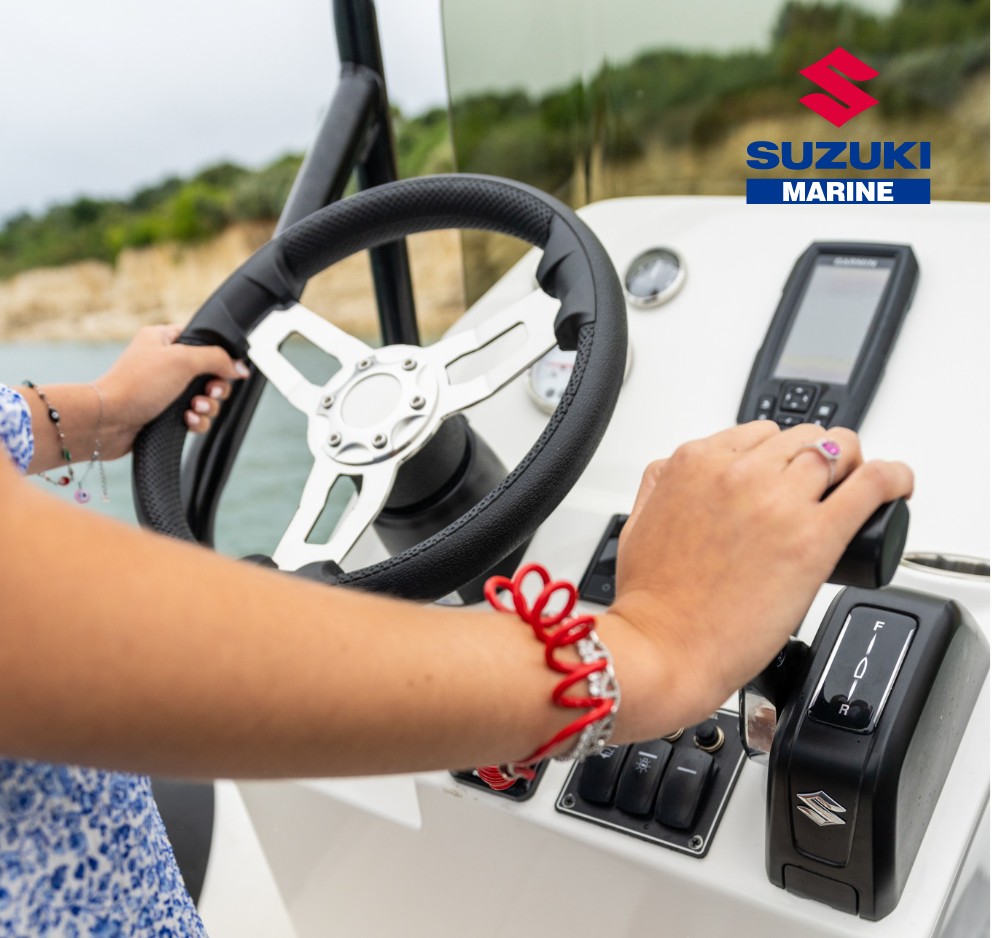
When it comes to boat safety, there’s one small device that can make a life-saving difference: the boat kill switch, also known as the engine cut-off switch (ECOS) or kill switch lanyard.
Many skippers overlook it. Some forget to clip it on. Others think it’s unnecessary on calm days. The truth? The kill switch is one of the most important safety features on any vessel fitted with an outboard motor.
What is a boat kill switch?
A kill switch is a safety mechanism connected to your boat’s ignition system. It usually consists of:
-
A red coiled lanyard
-
A clip that attaches to the skipper
-
A switch connected to the engine
If the skipper is thrown from the helm — whether due to a sudden wave, sharp turn, collision, or unexpected movement — the lanyard pulls free and immediately shuts off the engine.
No skipper. No throttle. No runaway boat.
Why this switch is so important
1️⃣ Prevents Runaway Boats
If a boat continues moving at speed without anyone at the controls, it can circle back unpredictably or travel uncontrolled across the water. This poses serious danger to passengers, nearby vessels, swimmers, and the skipper in the water.
2️⃣ Reduces Risk of Propeller Injuries
An active propeller is one of the biggest hazards on a boat. Shutting the engine down instantly dramatically lowers the risk of severe injuries.
3️⃣ Protects Passengers
In smaller vessels — especially boats powered by outboard motors — a sudden jolt can easily unseat the skipper. The kill switch ensures passengers aren’t left in a moving boat without control.
4️⃣ It’s a Legal Requirement in Many Areas
In several countries and jurisdictions, using an engine cut-off switch while underway is mandatory. Even where it’s not legally enforced, it’s considered best practice in boating safety guidelines worldwide.
READ: Holidaymaker seriously injured by runaway boat in Stilbaai
When should you use a kill switch?
The answer is simple: Every time you operate your boat.
Whether you’re:
-
Fishing offshore
-
Towing a skier
-
Cruising inland waters
-
Testing your outboard motor
Clip it on. Calm water doesn’t eliminate risk — unexpected movement can happen in seconds.
Best practices for kill switch safety
-
Always attach the lanyard to your wrist, life jacket, or secure clothing point.
-
Test that it functions correctly during routine maintenance.
-
Replace worn or damaged lanyards.
-
Ensure passengers know what the device is and how it works.
Boat safety starts with responsibility
At Nauti-Tech Suzuki, we’re passionate about performance, reliability, and proper boat maintenance — but safety always comes first. A powerful outboard motor is only as safe as the skipper operating it.
The kill switch may be small, but it plays a massive role in safe boating practices, outboard motor safety, and preventing serious accidents on the water.
Clip it on. Every trip. No exceptions.